The woman on the phone was in her fifties, and she was shouting.
“I lost 100,000 yuan on your platform. You cheated me.”
About fifteen thousand dollars. It took me a moment to understand two things. She knew almost nothing about crypto and had put that much into it anyway. And that money was everything she had saved in her life.
I was a product manager at a cryptocurrency exchange, and I was paid very well.
I had come to it sideways.
As a kid I was good at exactly one thing in school. I won the provincial maths championship in junior high and was a poor student in everything else. Outside school I sold used phones, and customised uniforms for school events, and at ten I was organising bicycle races that nobody had sanctioned. Numbers and customers, from the beginning. School only ever graded me on the first one.
I started trading stocks in high school, and by the time maths had carried me into economics at university and then into a master’s in finance at Johns Hopkins, I had decided the appetite was for finance. It wasn’t. Finance had the numbers in it and none of the rest. I left the degree unfinished. Plenty of people thought that was a mistake. I still don’t.
I taught myself to write code. No degree in it, no job to learn it in. The first thing I built was PatPatPark, a Chinese-language learning app for second-generation Chinese immigrants in the US. The people I made it with happened to be studying teaching Chinese as a foreign language, so they knew what had to be taught. I took materials that had been loosely structured and turned textbook content into a gamified mini-program that ran inside WeChat.
We never had many customers. But we ran a pilot in a few schools, the teachers liked it, and Xu Wei, the headmaster of a Chinese language learning centre, offered USD 80,000 for the source code. The condition was that we build his own textbooks into the app first. We did. It was the first thing I had ever built, and somebody bought it outright.
Then I moved back to Beijing, in 2017.
That background got me hired by an exchange called BitStar, now Bitforex, to build an app that taught people about crypto in a simple, gamified way. Education, again. As the business grew, our team was folded into the exchange’s development team and I was promoted to product manager. That meant meeting customers, across Southeast Asia.
One hot, humid afternoon in Cambodia, a colleague and I had lunch at the home of a local real-estate “master” who wanted to trade on our platform. The house was a villa, four storeys of it. He introduced us to his parents and to his child, and we all ate together.
I understood afterwards what the lunch had been for. A man who shows you his parents and his kid is a man you find it harder to say no to.
Then he drove us back to our apartment himself, in a Hummer. The street was bicycles, plain bicycles, and they moved around us the whole way. There was a bag of cash on the passenger seat. There was a handgun on the armrest, in plain sight, sitting there with the ease of something that had been on that armrest a long time.
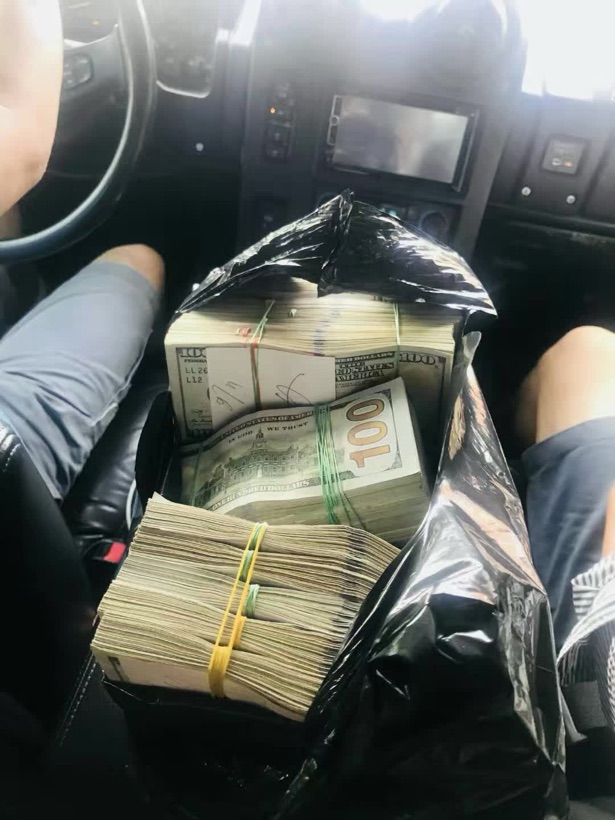
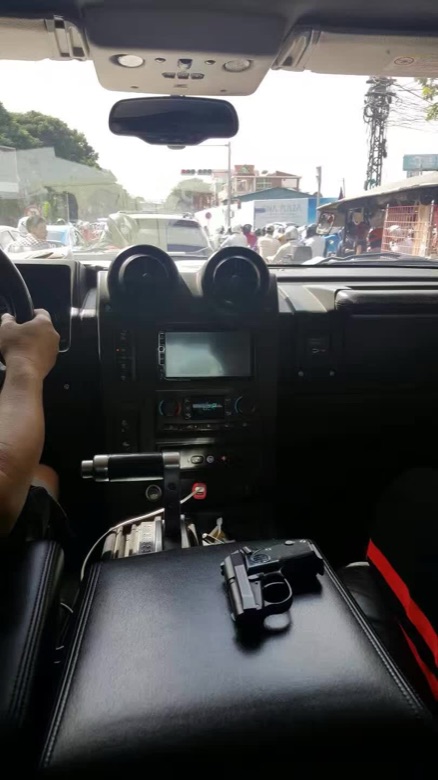
That was when he asked us to launder money through the crypto network. Up to 4% commission.
What he was describing was not technically possible, not on our platform. He did not know that.
I told him I had never handled anything like this, and that I would pass it to my boss, who probably had. It was the most useful thing I could say in a moving car. I passed it up the next day, and was told to stay out of that account.
A few days later, back in Beijing, the complaint from the woman with the 100,000 yuan came through to me.
He knew what he was asking for, even if he was wrong about how it worked. She did not know what she had bought. Nothing in the product had required her to.
That was the part I could not get past. A woman who understood none of it had been able to put her life savings into it without anyone stopping her, and everything I had designed made that easier rather than harder.
The salary was the highest I had ever been paid, by a distance. I resigned the next day anyway. I would rather earn less building something that left people better off than take a percentage of a zero-sum game.
Everything I had built until then existed only on a screen. An app, a trading platform, numbers moving between strangers who never met. I wanted the opposite. Something traditional, something I could stand in the middle of and watch working, where I could bring what I knew about software to an industry that had none of it.
I found it because of a flat tyre.
I was driving to the range when it went. There was a repair shop nearby, and a technician and I went over the tyre together and found a small nail in it. An hour’s work, he said. My friends had already arrived, so I signed the work order and left, saying I would pick the car up later.
Halfway through the round, the shop called. They had found three more punctures. The tyre couldn’t be repaired; it would have to be replaced. I had no way of knowing whether any of that was true. They quoted me USD 500 for a no-name tyre.
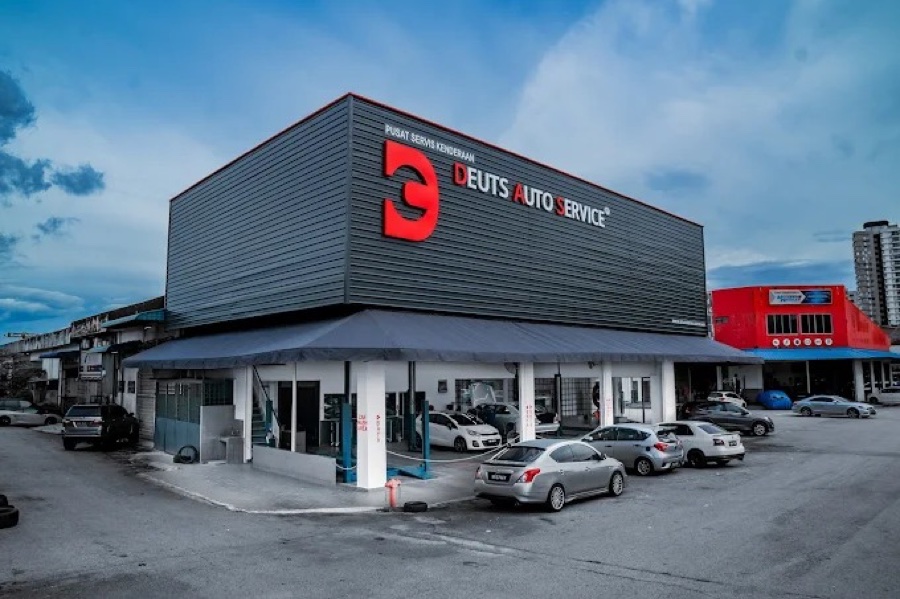
It bothered me for days. Not the money, the not knowing. I told my parents, who run Mercedes-Benz dealerships. They said being ripped off is routine in this business. They encouraged me to change the situation. My business partner and I put in the rest, and later that year we opened our own workshop for premium cars: Deuts Auto Service.
I went into the car business for one reason. I didn’t like being cheated.
Every technology I had went into a bricks-and-mortar shop: machine learning, game mechanics, mobile apps, workflow management. Days were for car owners and technicians. At night I designed and wrote code, sitting a few feet from the repair ramps.
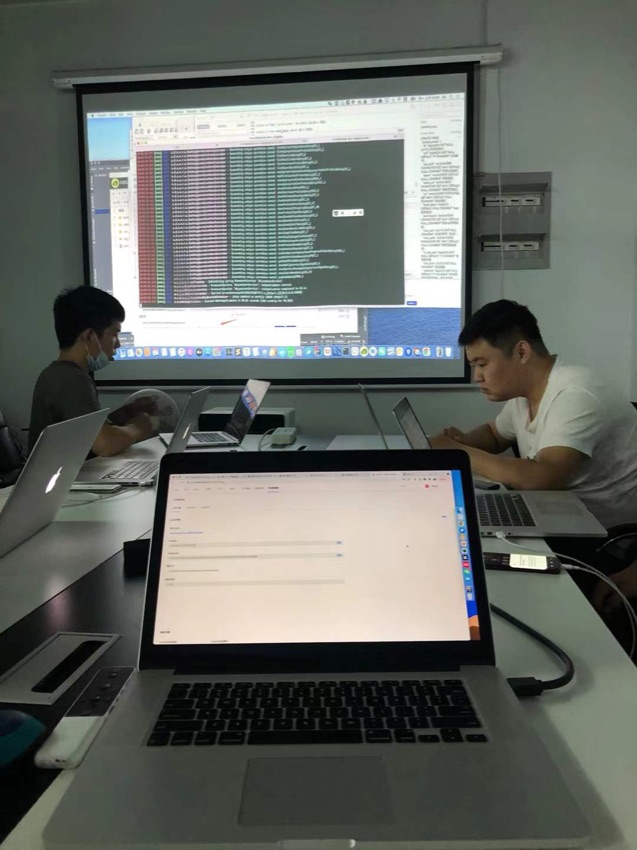
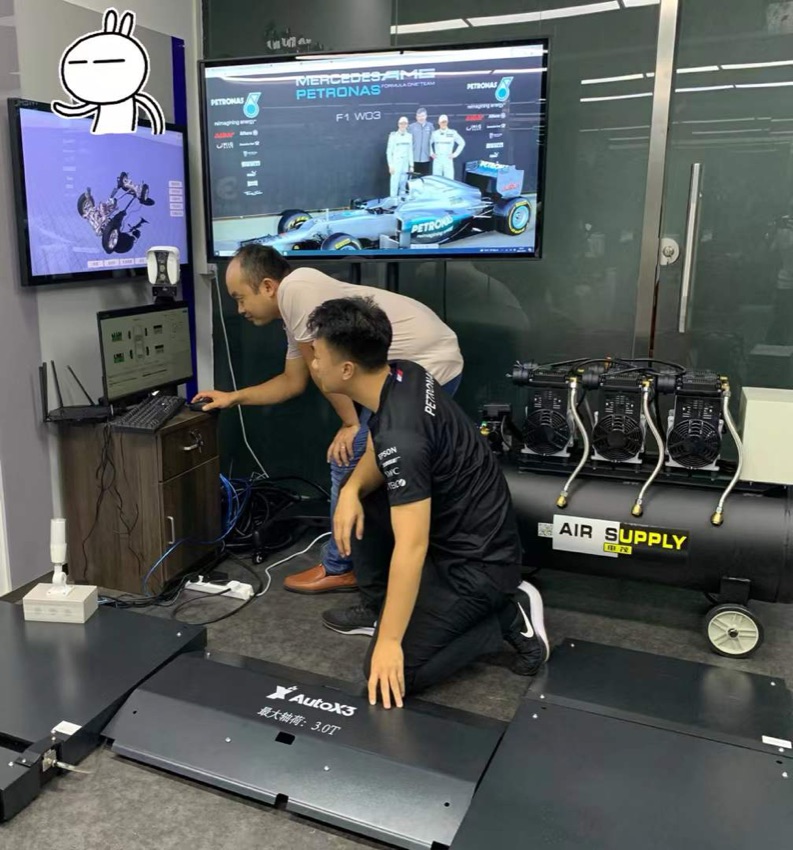
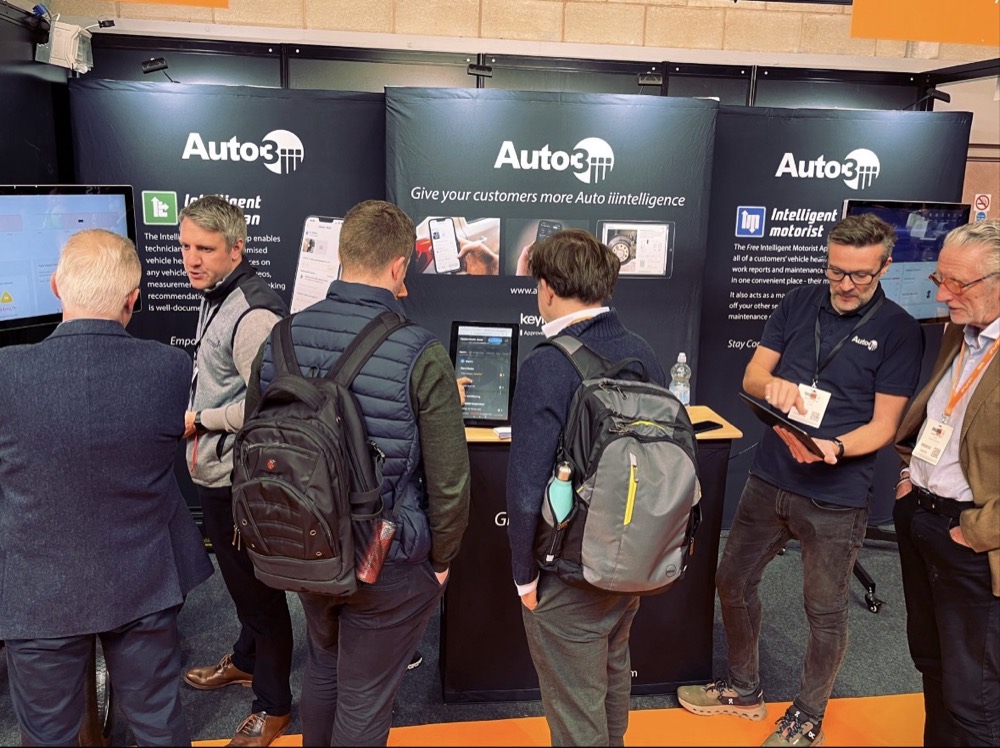
The things that worked were the simplest things I built. A shareable inspection report: photos, video, the technician’s comments, and a price against every fault. Then a work report, which recorded every procedure carried out on the car and went to the customer when the job was done. Nothing they had to take on trust, before or after.
The boy who sold used phones to his classmates had found the thing he was for. Show people the numbers, and the pictures behind them.
It caught on. It brought in customers. We became known as the workshop that told you the truth, and in three years we had five shops in Beijing and one in Kuala Lumpur.
Then COVID.
I had expected ups and downs. I had not expected anything on that scale. With a few customers a month for months, we couldn’t cover the bills. And we didn’t know how far the dark tunnel would extend. Shutting down was the only way to stop the bleeding.
We announced that we would close in a few months, and that anyone who wanted to buy the facilities could. In the end three of my technicians took over shops of their own, at their own expense, two in Beijing and one in Kuala Lumpur. The other three closed.
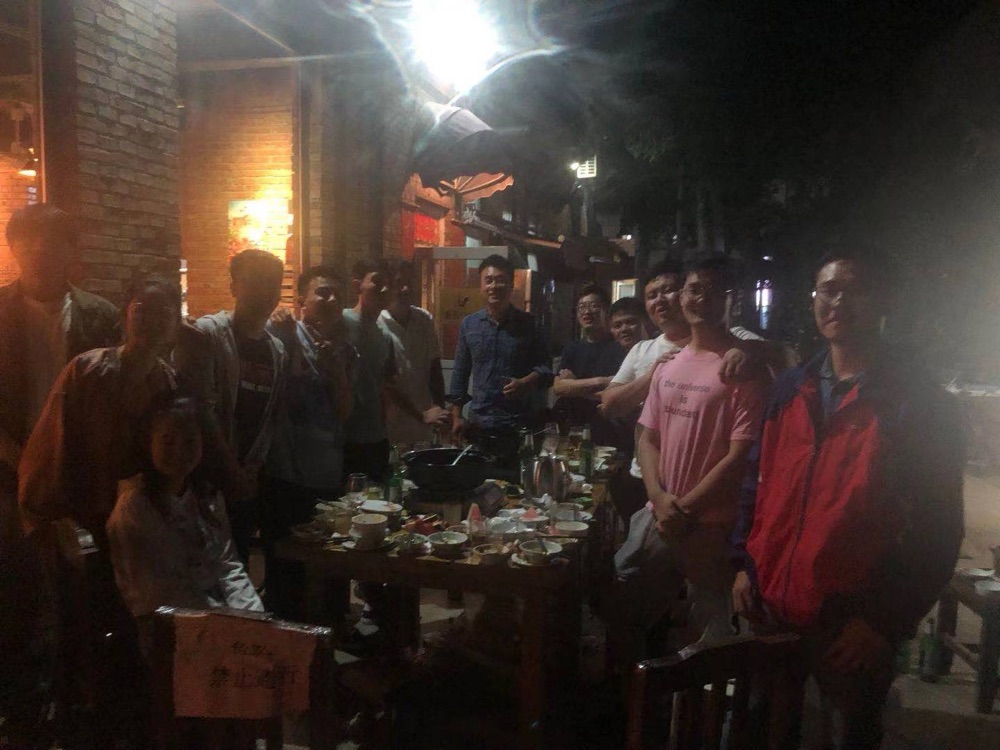
The shops were gone. The software was not.
My thinking, after a few months of that, was simple: whoever could save the company could have whatever we had.
Then Mark called, my detailing-products supplier in the UK. A friend of his, Jeremy, had seen a video of our inspection report running on a touchscreen and was impressed. Jeremy was seventy, a lifetime in the car business behind him, and he was flying to Thailand on holiday. He offered to stop in Beijing on the way and see it for himself.
We met over tea at the New World Beijing Hotel. We talked for hours, but three of his questions have stayed with me. He asked to see the original design documents, to satisfy himself the product was really ours. He asked why I spoke English so well. And he asked about my religion.
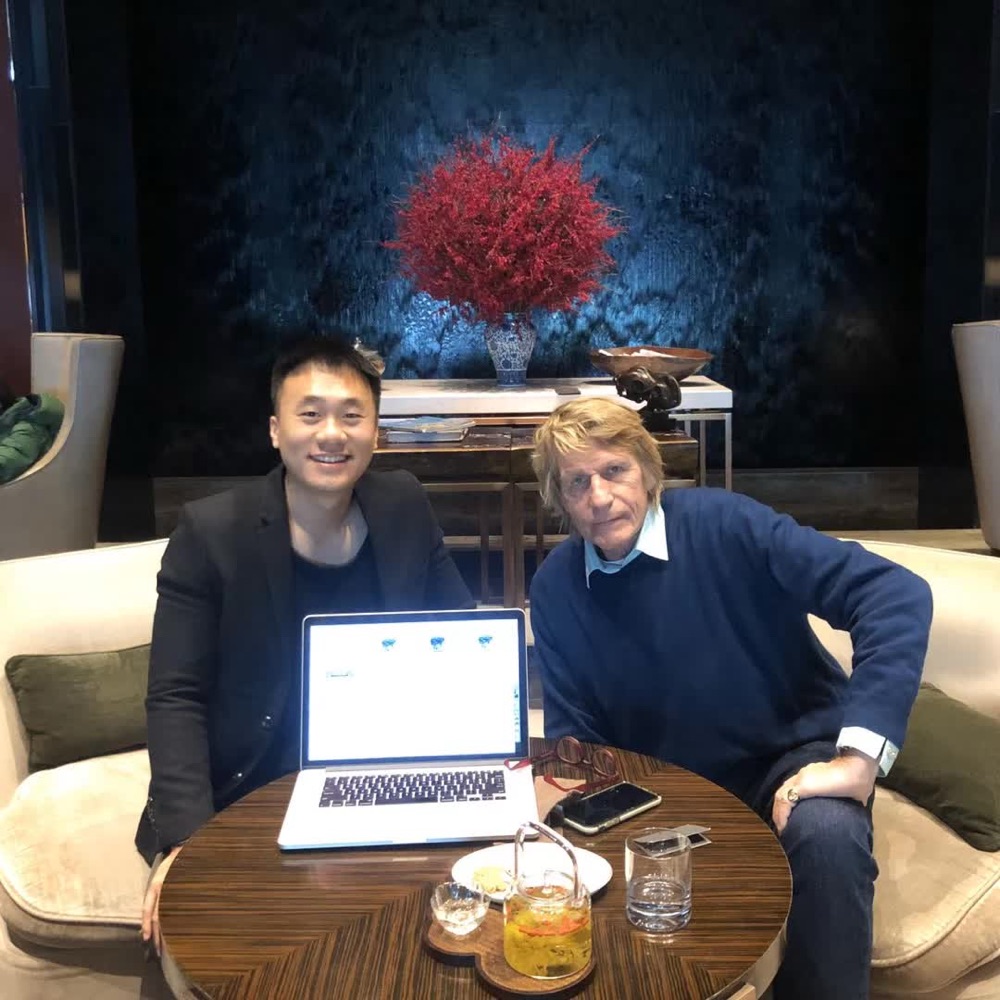
I have thought about those questions since. He was forty years older than me, and tech and my hobbies were never going to carry an afternoon. I think he was looking for ground the two of us could stand on.
Then he made his offer. He would buy out the product, the code, the IP, all of it, and relaunch it in the UK. He would hold the majority. I would stay on as a minority shareholder.
I took a few days. Then I agreed. It was the only version of the future where the thing survived.
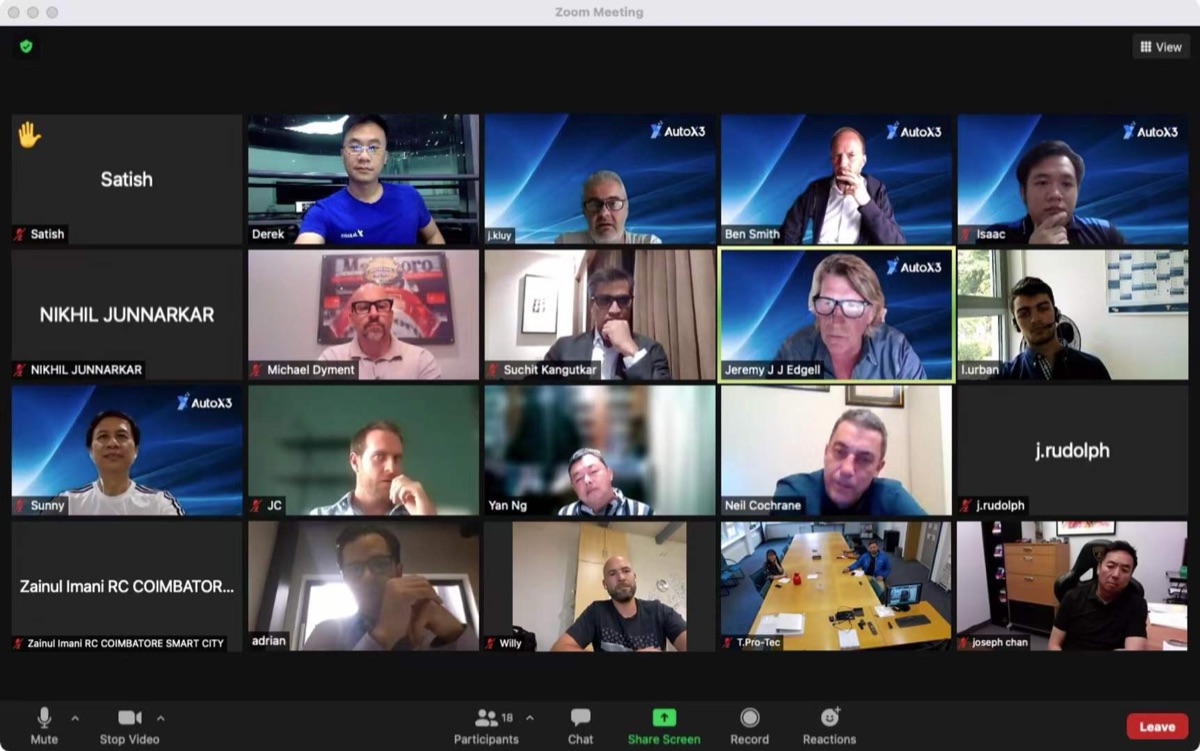
We registered in Hong Kong because neither side would move: the Chinese shareholders did not want a British company, and Jeremy did not want a Chinese one. Hong Kong was the compromise nobody had asked for and everybody could sign. He took the chair and ran sales out of the UK. I became managing director on the first day and ran everything else from Beijing.
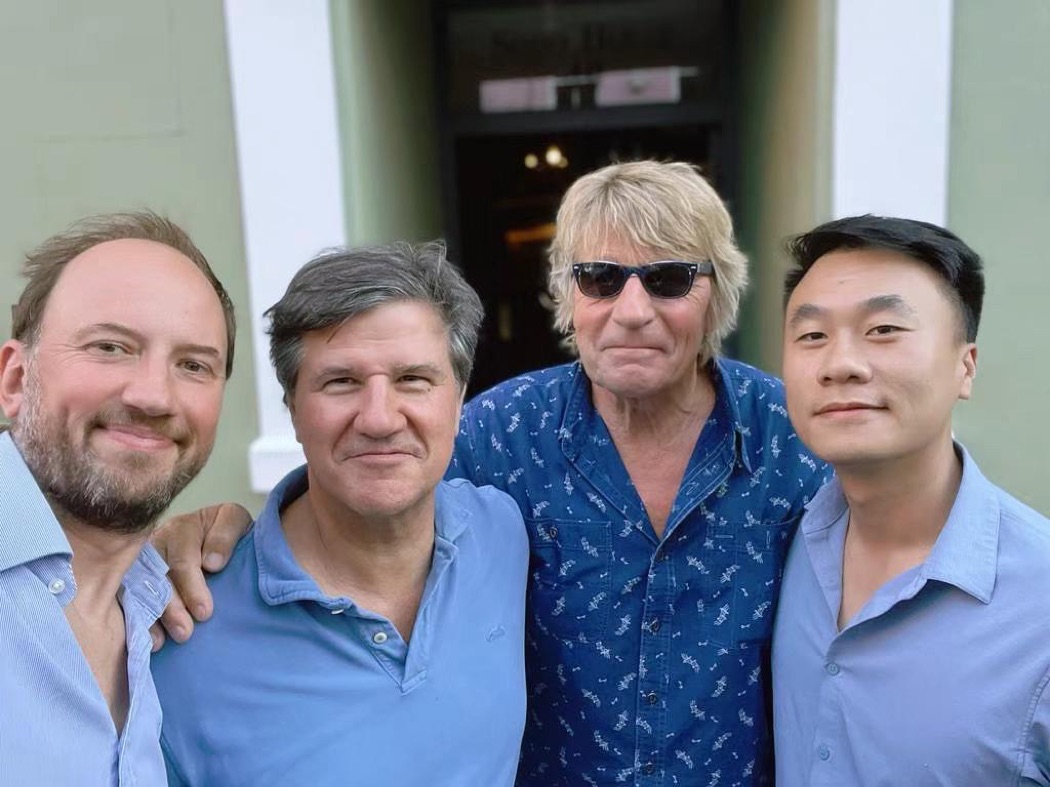
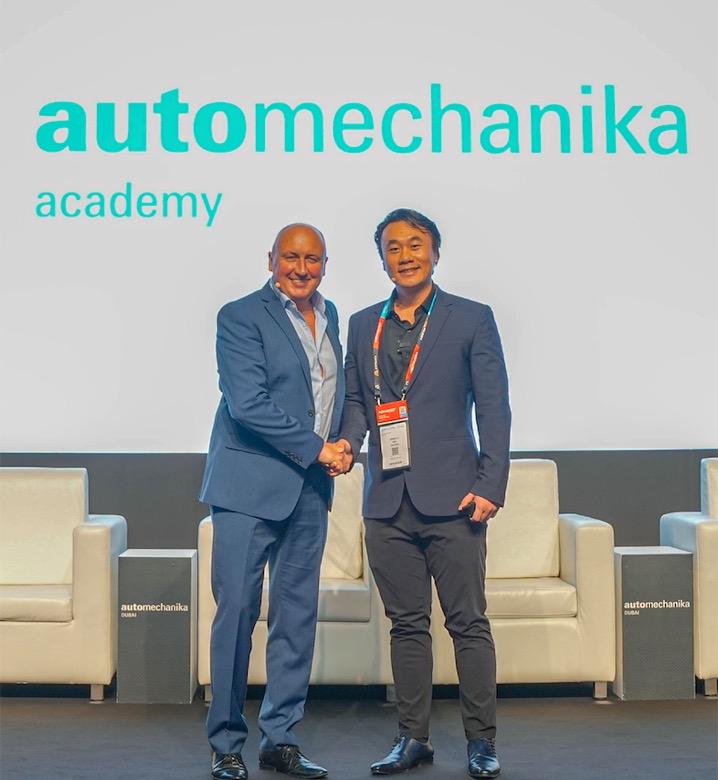
That is how AutoX3 came to be, in 2020. On the day we registered it, Jeremy pulled a face at me and said, “My pension’s riding on you now, Derek.”
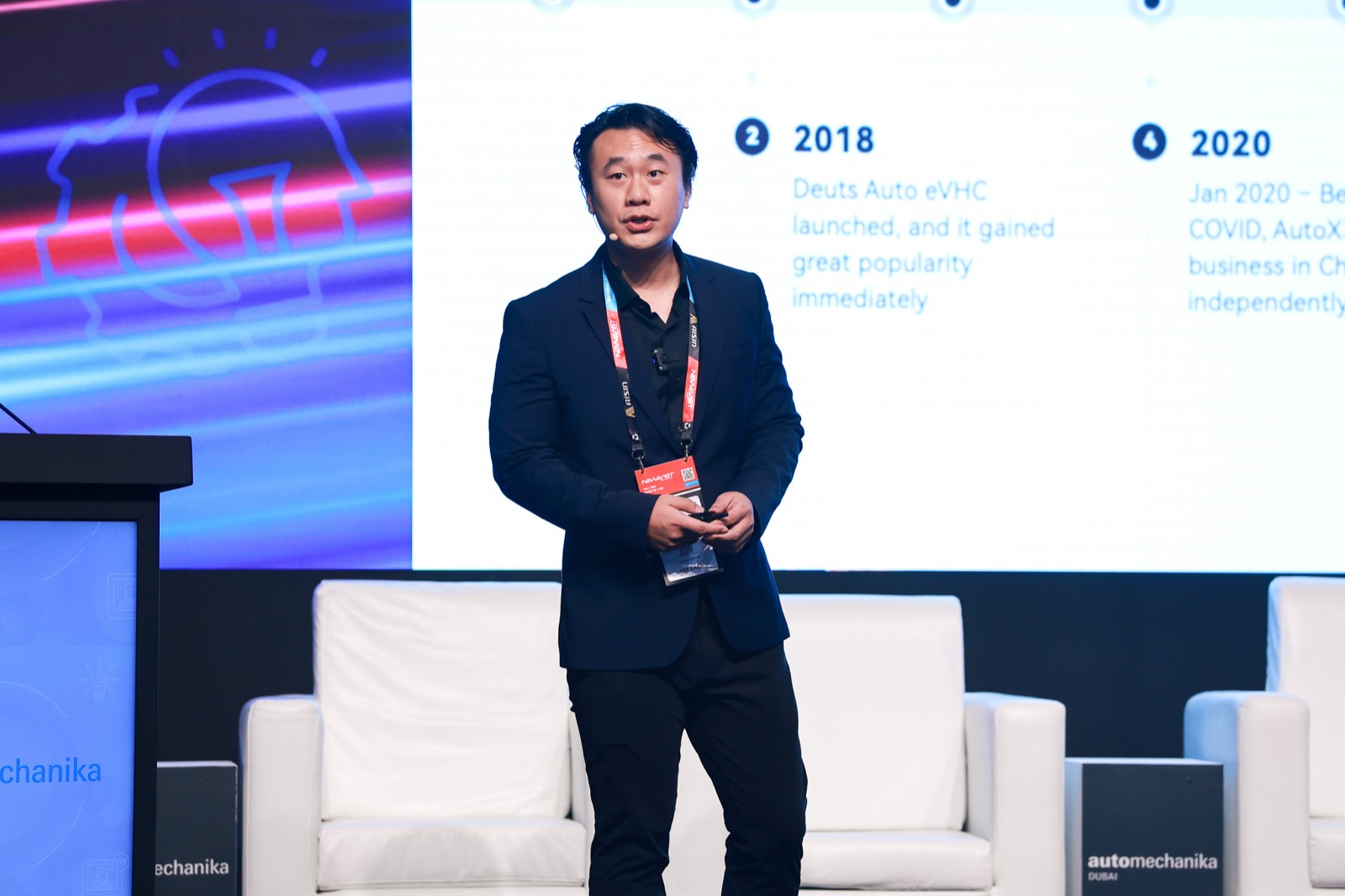
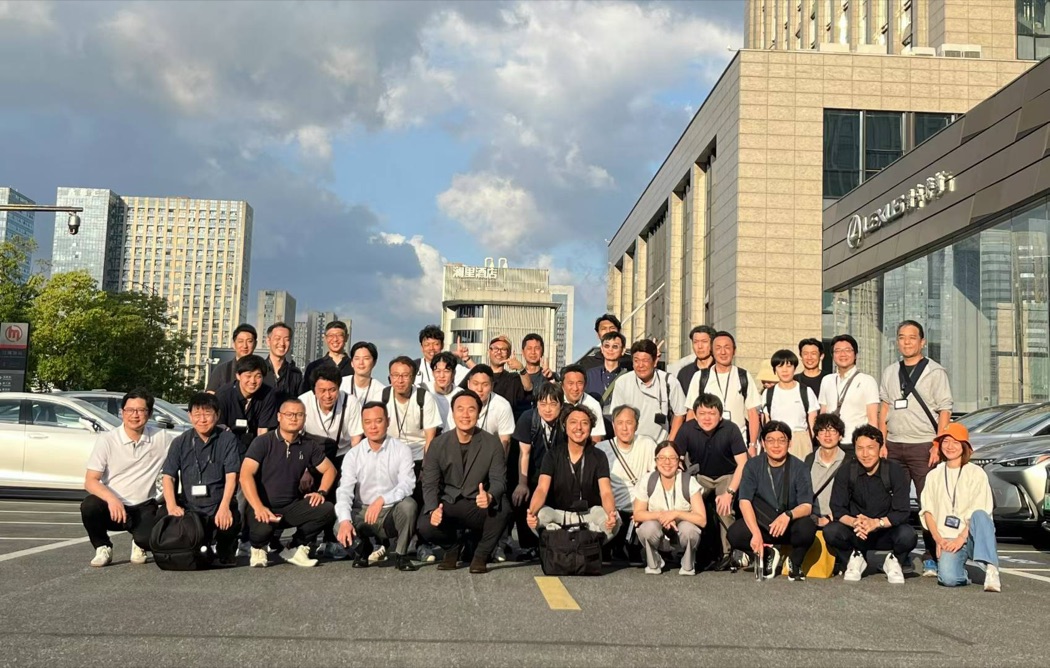
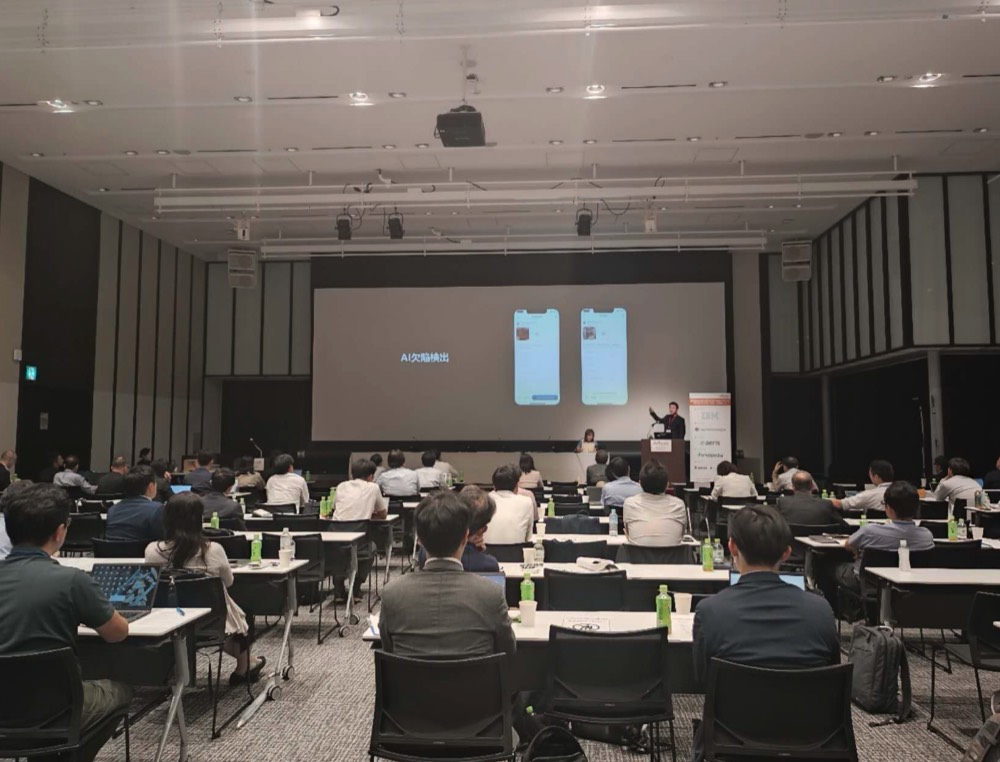
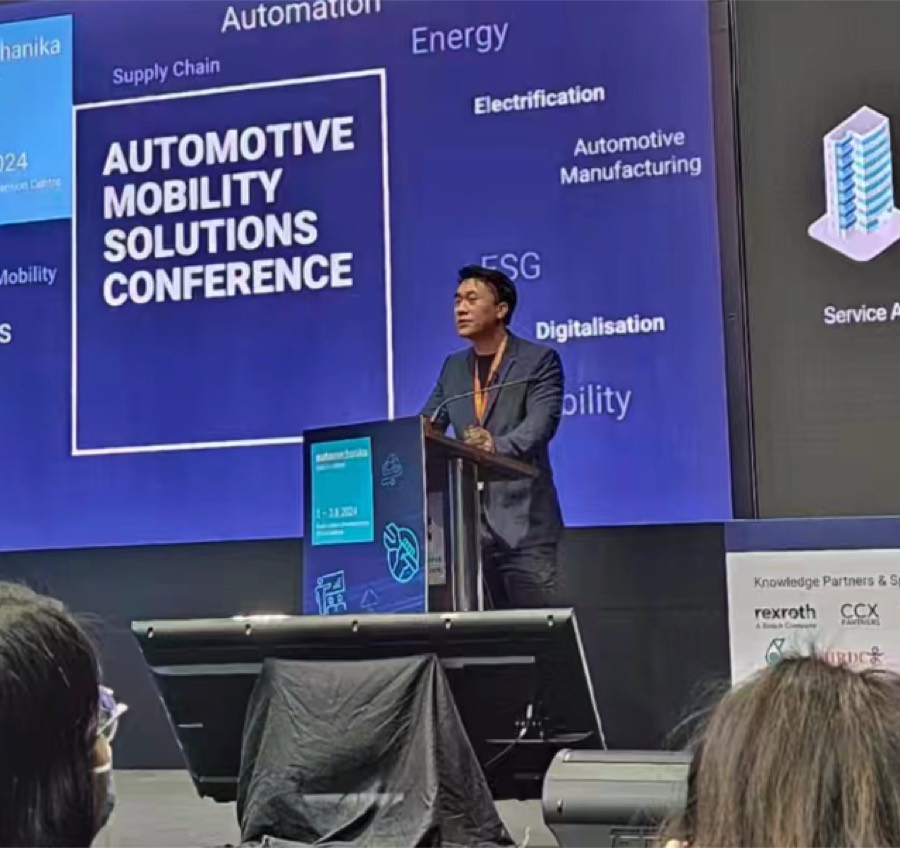
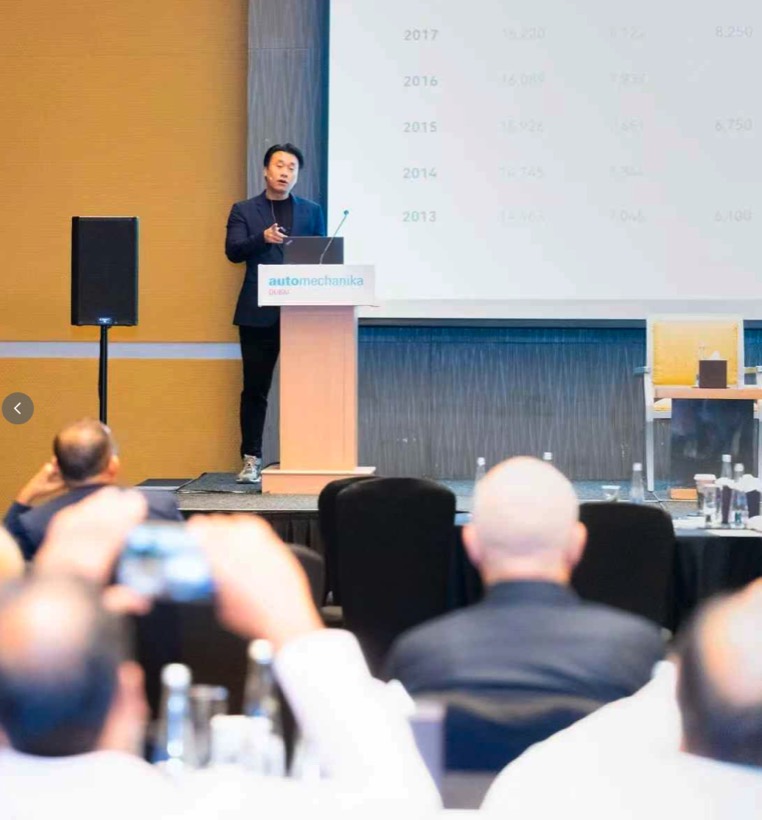
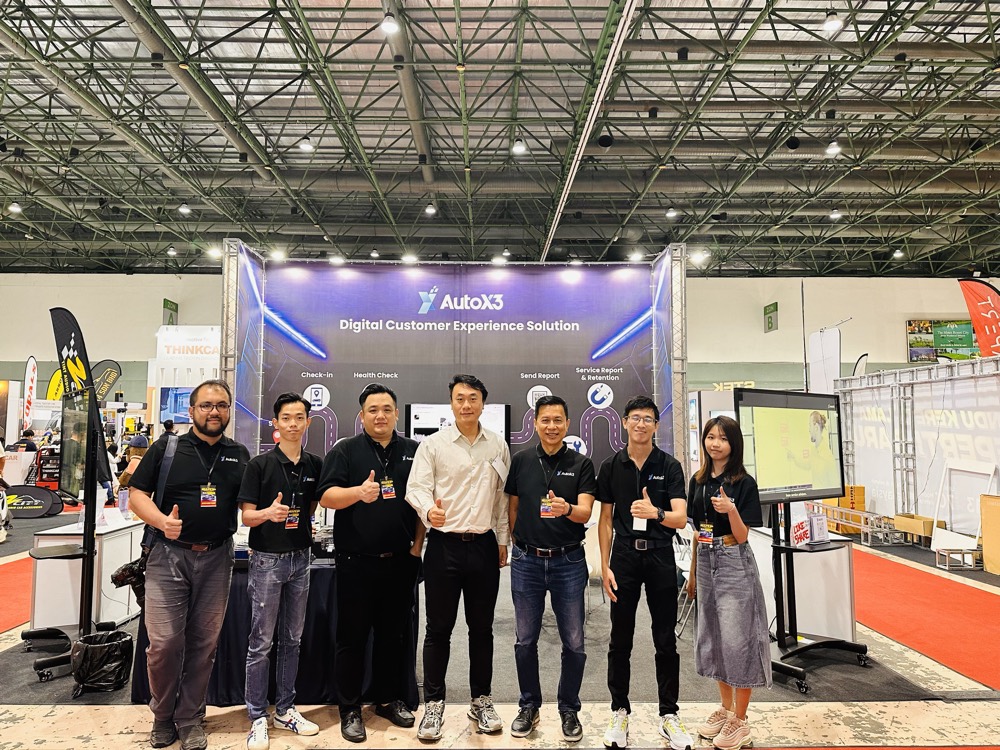
Six years on, it runs at 8 OEMs, 14,000 sites and 200,000 technicians across Asia-Pacific, the Middle East and Europe. In 2024 we restructured and moved the company to Singapore, and I moved with it, because this is where the hunting is. The inspection report I designed beside the repair ramps is now how two hundred thousand technicians tell people the truth about their cars.
I did not expect to be the person doing that. In the early years almost all my energy went into the product, and I avoided customers on principle. I thought that if we were building something genuinely new, there was no point in asking anyone what they wanted. We iterated. We tweaked. We spent a great deal of money learning that I was wrong.
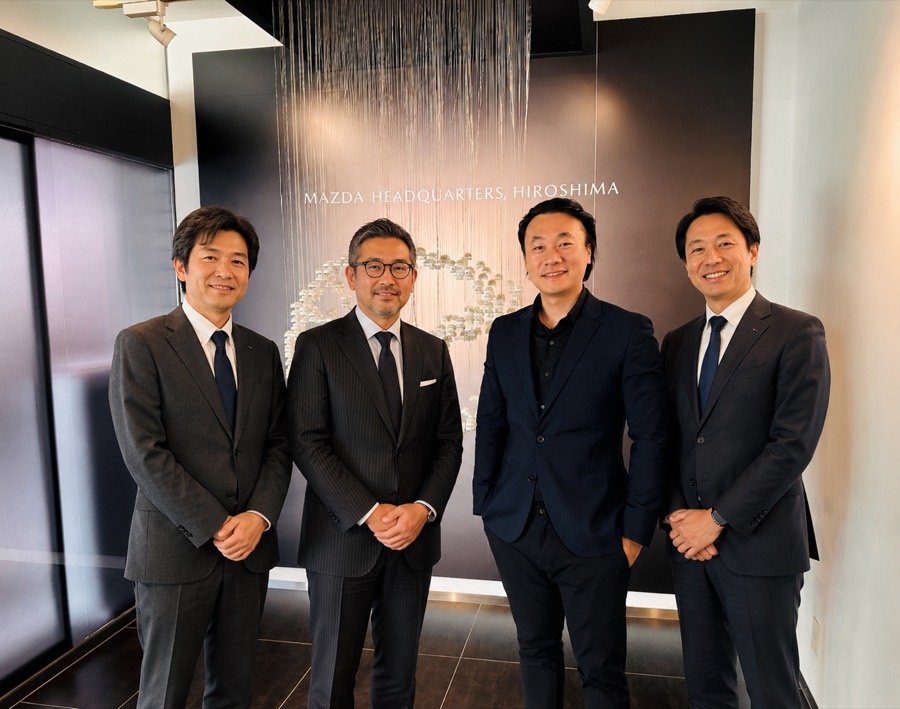
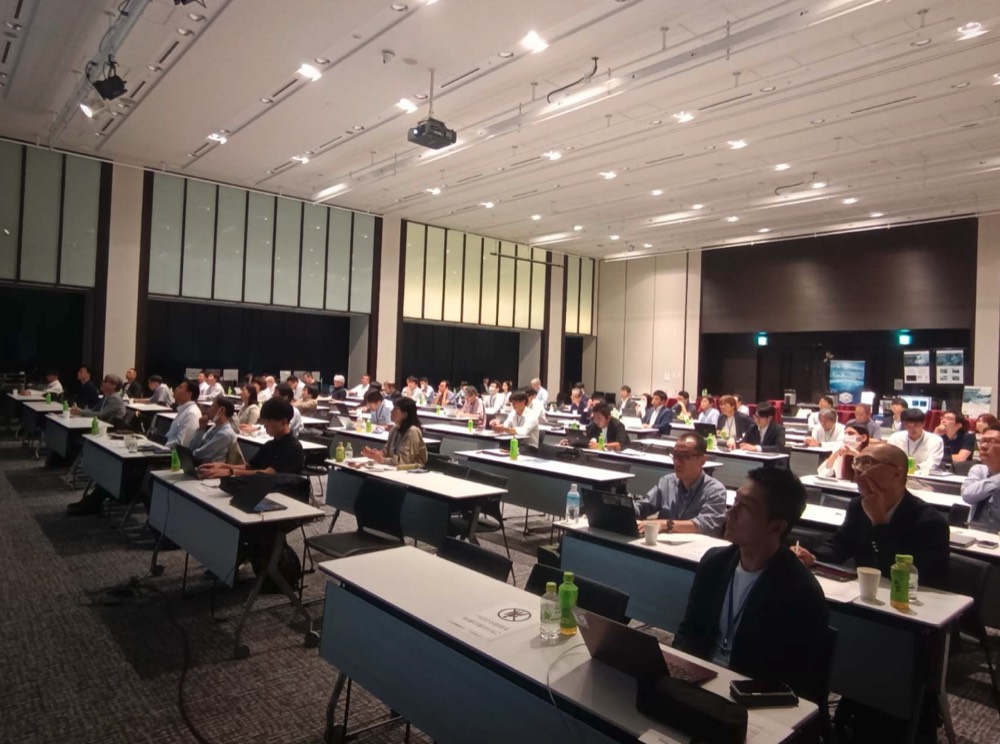
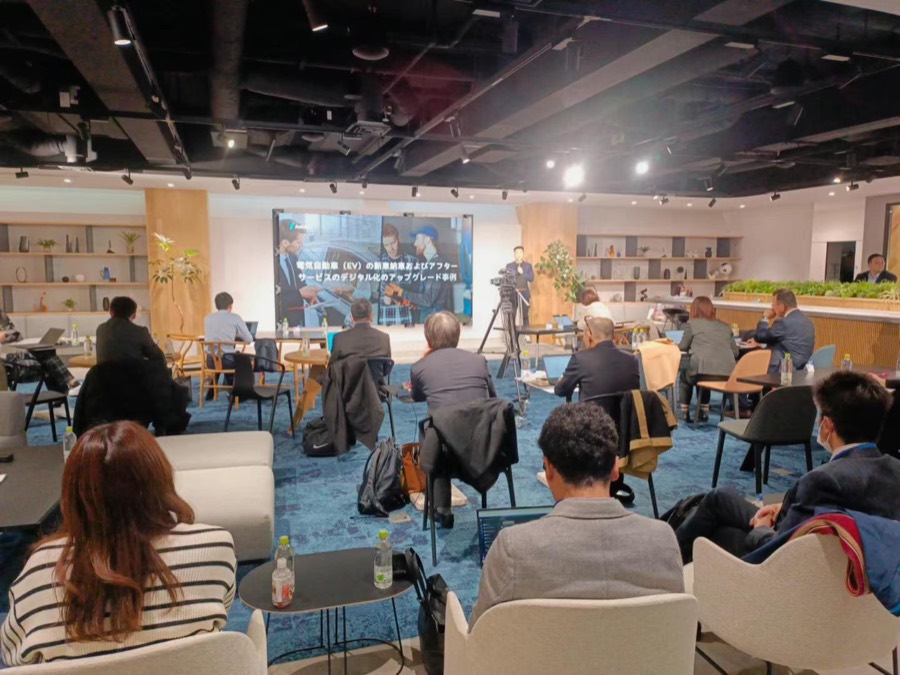
So I was pushed into meeting clients, and that was where I found the work I am actually built for. I have sat in an onsen with a Japanese client talking business until midnight and been sorry when it ended.

Then Jeremy died. A stroke, early one morning. He had been chairman for six years.
His wife inherited the shares. She had never worked in the industry and did not want to, and she sold them on to one of the leading figures in the industry in the UK. I thought the price was lower than it should have been. The pension he had handed me as a joke was closed out in a single transaction, and I was not part of it.
The new owner’s read of the market was that AI and EVs, on top of the downturn, would shrink dealership software for years, and that the only way through was to move into physical AI. Mine was different. We had proven technology running at 14,000 sites and distribution in eight countries. I wanted to take what already worked into more markets, build the network and build our own brand, and only then spend on something new and unproven.
Both are defensible readings of a hard market. But I had spent six years as a minority shareholder because of who held the majority, and that reason was gone. A managing director who doesn’t believe in the strategy shouldn’t be the one executing it. I step down as managing director in October 2026, and I have started looking for what comes next here in Singapore, which my wife has decided is where we settle.
What I want next is what I wanted after the flat tyre. Work on old businesses, the ones that still run on paper and habit, and get technology into them until they work better than they did the year before. Then stand in the workshop, or the warehouse, or the back office where the forms still arrive on paper, and let the people who have done that job for thirty years tell me what they think of it.
That has been the best part of every job I have had, and I have never once got tired of it. It is the only thing I am looking for in the next one.